


HOW LIFESTYLE INFLATION CAUSES DEBT PROBLEMS / LIFESTYLE INFLATION: THE SILENT DEBT TRAP THAT KEEPS YOU BROKE
By Vanessa Nalugo Kalunda Marketing & Communications Officer at Ntende Finance Ltd.
“The more you earn, the more you spend.” It sounds harmless, but for many people, this simple pattern becomes one of the biggest reasons they struggle with debt.
Have you ever received a salary increase, a promotion, or started earning more from your business, only to discover that you still have little or no money left at the end of the month? Instead of becoming financially elevated, you somehow end up with more bills, more responsibilities, or even more debt. This is called lifestyle inflation, and it silently affects people at every income level. Whether you are a recent graduate earning your first salary, a growing entrepreneur, or an established professional, lifestyle inflation can prevent you from building wealth and achieving financial freedom.
The good news is that lifestyle inflation is preventable. Once you understand how it works, you can make better financial decisions that allow your income to improve your future instead of financing unnecessary spending.
What is lifestyle inflation?
Lifestyle inflation happens when your spending increases every time your income increases. Instead of using additional income to save, invest, or reduce debt, you gradually spend more on things that were once considered luxuries but slowly become everyday necessities.
For example:
- You receive a salary raise and immediately move into a more expensive apartment.
- Your business starts making higher profits, so you buy a newer, more expensive car.
- You get promoted and begin eating at expensive restaurants several times a week.
- You upgrade your phone every year, or every time a new model is released—even though your current one still works perfectly.
None of these purchases may seem dangerous on their own. However, when combined, they create a lifestyle that requires you to spend nearly everything you earn. Instead of becoming financially secure, you become financially dependent on maintaining a high income just to keep up with your expenses.
Why lifestyle inflation is dangerous
Many people believe debt is caused only by low income. In reality, high-income earners can also struggle financially because their expenses rise as quickly as, or even faster than, their income.
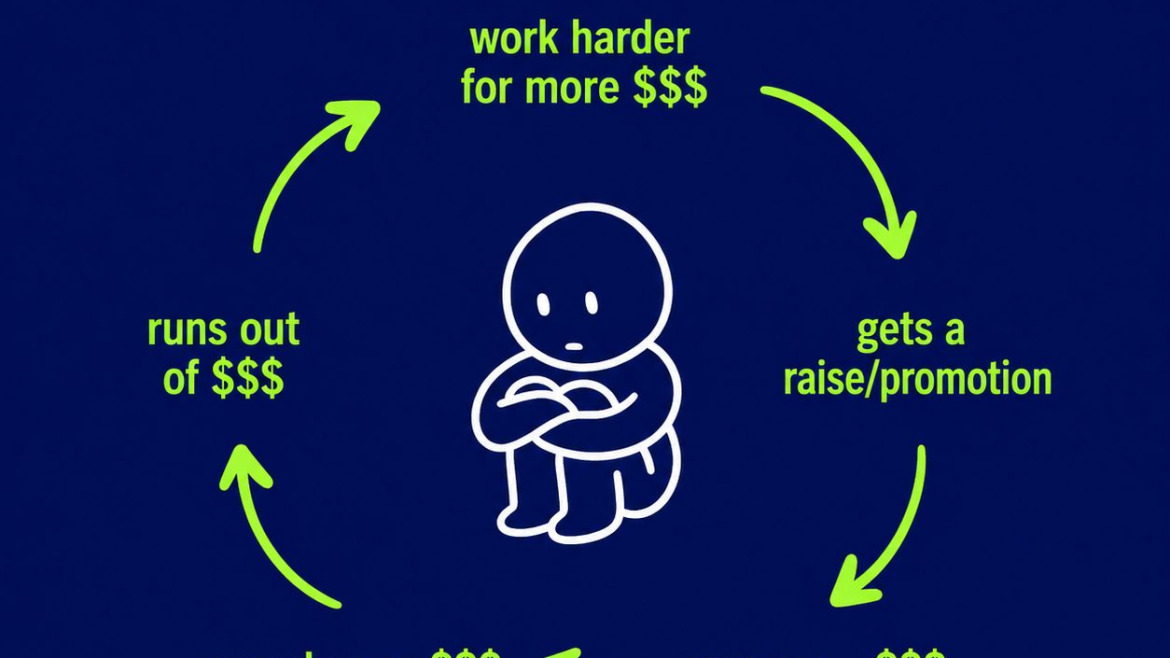
Lifestyle inflation creates a dangerous cycle: income increases → spending increases → savings remain low → unexpected expenses occur → debt is used to cover emergencies → loan repayments reduce future income → financial stress increases.
Over time, what started as “treating yourself” turns into “living beyond your means.”
How lifestyle inflation leads to debt
- Bigger income creates bigger expenses When people earn more, they often assume they can comfortably afford larger monthly commitments. These may include more expensive housing, larger vehicle loans, costly furniture, private schools, frequent vacations, luxury clothing, high-end electronics, etc. The problem is that these expenses are usually recurring. Even if your income drops unexpectedly, those monthly payments remain.
- Emergencies become debt A person living below their means usually has savings for emergencies, whereas someone living beyond or at the limit of their income often has no emergency fund. When unexpected situations arise—such as medical bills, business losses, or vehicle repairs—they have no cash reserves. Debt becomes the solution for problems that savings could have solved.
- Higher standards become “normal” One of the biggest dangers of lifestyle inflation is adaptation. The expensive restaurant becomes your normal weekend routine, the luxury phones become your standard, the larger house feels necessary, premium clothing becomes expected. What once felt like a reward eventually feels like a basic need. As a result, cutting back on expenses becomes emotionally difficult even when your current finances demand it.
- Social pressure encourages overspending Many people increase spending because they want to match friends, colleagues, neighbours, or people they follow on social media. They begin buying things to maintain an image rather than improve their quality of life. Examples include buying cars to impress others, hosting expensive parties, purchasing designer clothing, taking luxury vacations, or living in neighbourhoods they can barely afford.
Unfortunately, appearances do not pay bills. Trying to impress others often leads to financial pressure that lasts much longer than the admiration.
- Loans become part of everyday life When lifestyle inflation continues, borrowing begins to feel normal. Instead of borrowing only for productive investments like business expansion or education, people borrow for vacations, weddings, smartphones, furniture, fashion, and entertainment. These purchases usually lose value quickly, but the loan repayments continue for months or even years.
Signs that lifestyle inflation is affecting you
You may be experiencing lifestyle inflation if:
- You earn more than you did a few years ago but still struggle financially.
- Every salary increase is followed by new expenses.
- You rarely save despite earning a good income.
- Your monthly expenses keep increasing.
- You depend on loans or credit before payday.
- You feel anxious about losing your job because your expenses are very high.
Recognising these warning signs early can help you change course before debt becomes overwhelming.
Why lifestyle inflation hurts wealth creation
Every extra amount you spend today is money that cannot work for your future. Imagine receiving a salary increase of 500,000 cash a month:
- Option A: You spend the entire increase on lifestyle upgrades.
- Option B: You invest part of it, build an emergency fund, repay debt faster, and save consistently.
After several years, the second person is far more financially secure, even though both earned the same amount. Building wealth depends not on how much you make, but on how much you keep and use wisely.
How to avoid lifestyle inflation
- Increase your savings before increasing your spending. Whenever your income increases, decide first how much will go toward savings, investments, and debt repayment. Only then should you consider increasing your lifestyle.
- Keep living below your means. Living below your means does not mean living poorly. It simply means spending less than you earn. This creates room for saving, investing, and handling emergencies without borrowing.
- Avoid buying things to impress others. Ask yourself:
- Do I truly need this?
- Can I comfortably afford it?
- Will it improve my financial future?
- Am I buying this because I want it or because I want others to notice?
- Build an emergency fund. Aim to save enough to cover at least three to six months of essential living expenses.
- Separate needs from wants. Needs include food, housing, basic clothing, healthcare, utilities, education. Wants include luxury gadgets, designer clothing, etc.
- Continue budgeting even when you earn more. A budget ensures your money serves your priorities instead of disappearing through unnecessary spending.
- Use loans for growth, not lifestyle. Loans can be valuable when used to expand business, invest in education or skills, purchase productive assets, or engage in income-generating activities. Avoid borrowing to finance temporary pleasures that leave you with long-term debt.
The difference between looking rich and being financially secure
Many people appear wealthy because they own expensive cars, wear luxury brands, and live in expensive homes. However, appearances can be misleading. True financial security often looks much quieter. Financially secure people usually have healthy savings, investments, low debt, emergency funds, financial peace of mind, and freedom to make choices without financial pressure.
Real wealth is not about showing people what you bought—it is about having the financial stability to handle life’s challenges while steadily building a better future.
Final thoughts
Lifestyle inflation is one of the most common yet least recognised causes of debt. As income grows, it is natural to want to enjoy some of the rewards of your hard work. The problem begins when every increase in income is matched or exceeded by an increase in spending.
Financial success is not determined by how much money you make, but by how wisely you manage it. By resisting unnecessary lifestyle upgrades, living below your means, saving consistently, and borrowing only for productive purposes, you can enjoy the benefits of higher income without falling into a debt trap.
A bigger income should improve your financial future, not just your monthly expenses.
Contact Ntende Finance today to get started on a rewarding financial journey by getting credit that will serve you!
📞 Call or WhatsApp: +256 776 707960
☎️ Telephone: +256 393 266139
📧 Email: info@ntende.com
📍 Location: Conrad Plaza, Plot 22 Entebbe Road, just after Nasser Road.